




Karsten Wenzlaff, Advisor
August 26th, 2025
Karsten Wenzlaff is a Crowdfunding and Fintech Expert from Germany. He is Secretary-General of Digit[...]


Nov 3, 2026
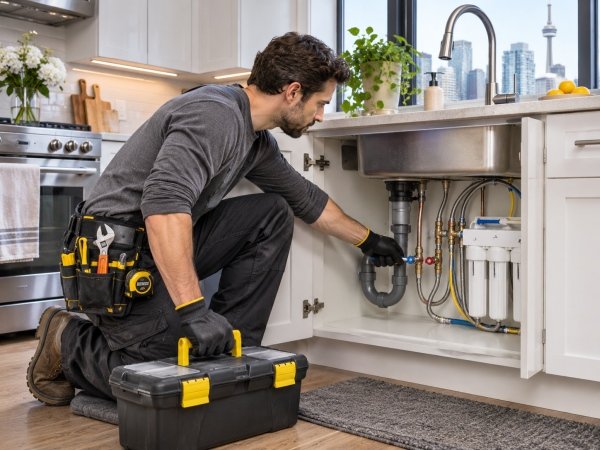
Plumbing problems tend to appear at the worst possible time, whether that is a pipe that starts leaking on a holiday weekend or a basement floor drain that fills with wastewater in the middle of the night. Knowing which problems call for an emergency plumber Toronto homeowners can reach at any hour, and which ones can wait for a regular appointment, helps a household act quickly and limit water damage in the first few minutes.
Some plumbing problems get worse with every minute. A burst pipe or a leak that sprays or pours water across the floor is the clearest example, since water travels under flooring, into walls, and down to lower levels quickly. Sewage rising through a basement floor drain, a toilet, or a tub is equally urgent, because it signals a blocked or backed-up sewer line and brings health risks into the home.
Other urgent cases include a toilet that keeps overflowing after the water supply is turned off, a water heater leaking from the tank itself, a sump pump that has stopped working while water rises in the pit, and a sudden loss of water to the whole house. In each of these cases, the help of an emergency plumber Toronto residents trust is worth arranging right away rather than the next business day.
Not every plumbing issue is a plumbing emergency. A single slow drain, a dripping faucet, or a toilet that runs after flushing is inconvenient, but these problems seldom cause damage overnight. If one fixture is clogged while the rest of the house drains normally, it is usually safe to stop using that fixture and book a regular visit.
The simplest way to decide is to ask two questions: is water escaping where it should not be, and does wastewater have nowhere to go? If either answer is yes, the situation should be treated as urgent, while a problem that is contained and stable can generally wait for a scheduled appointment.
The most useful step in any plumbing emergency is stopping the flow of water. In most homes, the main shut-off valve sits in the basement or utility room, close to where the water line enters the house and often next to the water meter. Turning the handle clockwise closes it and stops water from reaching every fixture.
Many fixtures also have their own valves. A shut-off valve under a sink or behind a toilet can isolate a single leak without cutting water to the whole house, and the cold-water valve above a water heater stops the tank from refilling. Locating these valves before anything goes wrong, and checking that they turn freely, saves valuable time later. A simple tag on the main valve helps every member of the household find it quickly.
A sewer backup calls for a different response from a clean-water leak. The first priority is to stop all water use in the house, since every flushed toilet, running tap, or load of laundry adds to the volume that has nowhere to go. Everyone in the home should hold off on using water until the plumber has cleared the line.
Sewage can carry harmful bacteria, so it is best not to touch it. Children and pets should be kept away from the affected area. Belongings can be moved to higher ground if it is safe to do so. Pouring chemical drain cleaners into a backed-up line is best avoided, as they rarely clear a main-line blockage and can make the work more hazardous for the technician.
Standing water near outlets, extension cords, or appliances is a serious hazard. If the electrical panel can be reached without walking through water, switching off power to the affected area reduces the risk. If it cannot be reached safely, it is better to stay out of the flooded space and wait for help.
Once the source of water is under control, removing what can be saved, opening windows for airflow, and taking photographs of the damage are sensible next steps. Wet drywall, carpet, and insulation can develop mould within a few days, so drying the area promptly matters as much as the repair itself.
Typing “emergency plumber Toronto” into a phone late at night is usually the first step. The call that follows goes more smoothly when the caller explains what happened, where the water is coming from, whether it is clean water or sewage, and whether the main valve has been closed. Mentioning the age of the house, the location of the problem, and any access issues, such as a locked side gate or a finished basement ceiling, helps the plumber arrive prepared.
Keeping the phone close after the call is also wise, so the plumber can share an arrival update or ask a quick question about access. If the situation changes while the household waits, for example water spreading into another room or a second fixture backing up, a follow-up call keeps the plumber informed.
The first task for the emergency plumber Toronto homeowners call in is to confirm that the source of water is stopped and the area is safe to work in. From there, the plumber assesses the cause, which may be a failed fitting, a split pipe, a blocked sewer line, or a worn-out appliance.
Some problems can be repaired on the spot, while others need a temporary fix to make the home usable until parts or additional work can be arranged. When a sewer line keeps backing up, a camera inspection may be recommended to find the cause. A clear explanation of what failed and what comes next allows the household to plan with confidence.
Many emergencies are preceded by warning signs that are easy to overlook. Drains that slow down repeatedly, gurgling sounds from fixtures, damp patches on ceilings, and a water bill that rises without explanation are all worth investigating before they turn into a crisis.
A simple meter test can reveal hidden water leaks. Turning off all the water in the home, recording the reading on the water meter, and checking it again after at least twenty minutes is all it takes. If the reading has changed, water is escaping somewhere. Testing the sump pump before spring, keeping grease out of kitchen drains, and protecting exposed pipes in unheated areas all reduce the chance of needing an emergency plumber Toronto families depend on at an inconvenient hour.
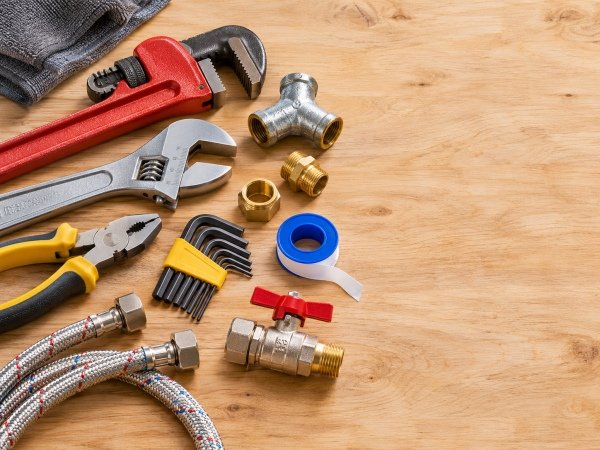
Drain Express provides emergency plumbing services across the Greater Toronto Area twenty-four hours a day, seven days a week, including holidays. Its highly qualified plumbers serve both residential and commercial clients, the work comes with a warranty, and the team has completed more than 5,000 jobs.
A little preparation makes every plumbing emergency easier to manage. Knowing where the shut-off valves are, recognizing which problems cannot wait, and having the number of an emergency plumber Toronto households can count on all help turn a stressful night into a problem that is contained, repaired, and behind them.
 The National Crowdfunding & Fintech Association (NCFA Canada) is a financial innovation ecosystem that provides education, market intelligence, industry stewardship, networking and funding opportunities and services to thousands of community members and works closely with industry, government, partners and affiliates to create a vibrant and innovative fintech and funding industry in Canada. Decentralized and distributed, NCFA is engaged with global stakeholders and helps incubate projects and investment in fintech, alternative finance, crowdfunding, peer-to-peer finance, payments, digital assets and tokens, artificial intelligence, blockchain, cryptocurrency, regtech, and insurtech sectors. Join Canada's Fintech & Funding Community today FREE! Or become a contributing member and get perks. For more information, please visit: www.ncfacanada.org
 |  |  |
|---|---|---|
 |  |  |


August 26th, 2025

January 4th, 2024

June 1st, 2021

September 9th, 2020

July 9th, 2018

January 3rd, 2018

September 25th, 2017

June 20th, 2017

May 10th, 2017

December 14th, 2016
Leave a Reply