





Karsten Wenzlaff, Advisor
August 26th, 2025
Karsten Wenzlaff is a Crowdfunding and Fintech Expert from Germany. He is Secretary-General of Digit[...]


Web 3 | Jun 26, 2024

Image: Freepik
As more and more innovators turn to the future of Web3, many Web2 innovators and builders may be feeling a widening gap of Web3 knowledge which confronts founders with a unique set of challenges and opportunities. The transition from Web2 to Web3 necessitates not just a new technology understanding, but also a change in how businesses interact with customers and monetize their platforms. Here's a summary of the fundamental differences between Web2 and Web3, as well as insightful and thought-provoking questions and answers to help businesses manage this transformation without falling behind.
Web2 and Web3 are key stages in the growth of the internet, each with unique characteristics and technological underpinnings.
Web2, often known as Web 2.0, is the second generation of the internet, focusing on user-generated content, usability, and interoperability for end users. This stage of the web is distinguished by the proliferation of social media platforms, blogs, wikis, and other interactive websites that enable users to participate, collaborate, and exchange content.
Web3, also known as Web 3.0, is the internet's next generation, emphasizing decentralization, blockchain technology, and enhanced user privacy and security. Web3 aims to give people more control over their data and digital identities by leveraging decentralized networks and encryption technology.
Web2 data is primarily housed on centralized corporate servers. This strategy has sparked questions about privacy, security, and data ownership. In contrast, Web3 improves data security and user privacy by utilizing decentralized storage technologies such as blockchain and decentralized nodes. Decentralized data management ensures that users retain ownership of their data, which may reduce breaches and unlawful data usage.
How can your Web3 project use decentralized data to increase user trust?
What scalability issues may occur with decentralized storage, and how may they be addressed?
How will data portability and interoperability be handled in your decentralized framework?
Web2's user authentication mechanisms frequently rely on usernames and passwords, which are vulnerable to security attacks. Web3 provides a more secure option by utilizing blockchain-based wallets and cryptographic keys, which give an additional degree of protection owing to their cryptographic nature. This transition not only improves security, but it also corresponds with the self-sovereign identity concept, which allows people to govern their personal data without the need for intermediaries.
How will blockchain-based authentication strengthen your platform's security?
Given Web3's self-sovereign nature, what methods will you put in place to retrieve user accounts?
What impact will this new authentication technique have on the user experience?
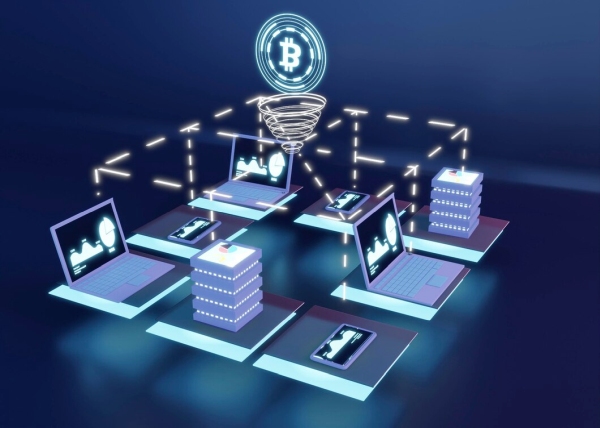
Image: Freepik
Web2 revenue streams frequently include advertising and data monetization, which need considerable data collecting and user tracking. Web3 alters the game by providing innovative monetization strategies like token sales, transaction fees, and staking. These solutions offer direct means to monetize network involvement and can result in more aligned incentives for users and developers.
Can token economics be used as an alternative or addition to existing advertising approaches in your project?
What ethical issues should you take into account while monetizing user activity in Web3?
How will you handle the regulatory landscape surrounding cryptocurrency and token sales?
Web2 companies often use centralized governance arrangements, with decisions made by a small group of company leaders or stakeholders. Web3 takes a radically different approach by utilizing decentralized governance models such as Decentralized Autonomous Organizations (DAOs), which allow the community to make collective decisions. This paradigm encourages transparency and allows users to participate in the platform's growth and governance.
How can a DAO or other decentralized governance system help your platform?
What challenges can you encounter while establishing decentralized governance, and how can you assure fair and effective decision-making?
How will you handle any conflicts and competing interests in the community?
Businesses that use decentralized technology, support community-driven growth, and apply creative monetization and governance models can help lead Web3, the next wave of digital innovation and the internet.
 The National Crowdfunding & Fintech Association (NCFA Canada) is a financial innovation ecosystem that provides education, market intelligence, industry stewardship, networking and funding opportunities and services to thousands of community members and works closely with industry, government, partners and affiliates to create a vibrant and innovative fintech and funding industry in Canada. Decentralized and distributed, NCFA is engaged with global stakeholders and helps incubate projects and investment in fintech, alternative finance, crowdfunding, peer-to-peer finance, payments, digital assets and tokens, artificial intelligence, blockchain, cryptocurrency, regtech, and insurtech sectors. Join Canada's Fintech & Funding Community today FREE! Or become a contributing member and get perks. For more information, please visit: www.ncfacanada.org
 |  |  |
|---|---|---|
 |  |  |



August 26th, 2025

January 4th, 2024

June 1st, 2021

September 9th, 2020

July 9th, 2018

January 3rd, 2018

September 25th, 2017

June 20th, 2017

May 10th, 2017

December 14th, 2016

Leave a Reply