




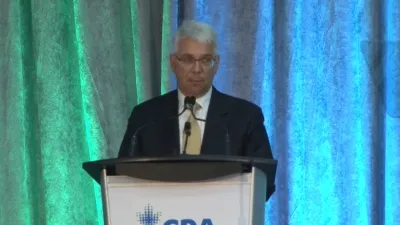

Karsten Wenzlaff, Advisor
August 26th, 2025
Karsten Wenzlaff is a Crowdfunding and Fintech Expert from Germany. He is Secretary-General of Digit[...]


Funding | Oct 9, 2023

Image: Unsplash/Alice Pasqual
Elon Musk's acquisition of Twitter, valued at $44 billion, has been a subject of intense scrutiny and speculation, particularly due to the financial turbulence experienced by X, Musk's financial entity.
As reported by Fortune, banks may have formed an alliance, known as a "sell-down letter," is designed to prevent the banks from breaking ranks and is set to expire on January 15th. The letter typically mandates that if one bank receives an offer for its loans, it cannot accept without offering the other members the same deal on a pro rata basis, thereby preventing a “divide and conquer” approach by potential buyers.
The banks involved in the deal have expressed significant frustration due to the lack of transparent financial information provided by X. The scarcity of data has hindered the lenders from presenting a full package to potential purchasers, thereby complicating the process of offloading the debt.
The banks are optimistic that the appointment of a new CEO, Linda Yaccarino, and the potential hiring of a CFO will enhance financial transparency and provide a clearer view of the books in the future.
Despite the financial turmoil, Elon Musk is speculated to be in a position where he could potentially purchase a substantial portion of the debt that is currently plaguing X, possibly at a significantly reduced rate.
Alternatively, he might negotiate a deal where the banks write off some of the loans, which would enhance X’s financial standing and enable them to safely syndicate the remaining debt. The lack of information available to the lenders makes it difficult for them to sell to other parties, thereby placing Musk in a potentially advantageous position.
The "sell-down letter" is an agreement among Morgan Stanley, Barclays, and Bank of America, which prevents them from individually accepting offers for their loans without providing the other banks the opportunity to access the same deal, thereby avoiding a competitive undercutting scenario.
The banks have expressed frustration due to the insufficient flow of financial information from X, which has prevented them from presenting a comprehensive package to potential purchasers of the debt, thereby complicating the financial resolution of the situation.
Musk could potentially leverage the situation by purchasing a significant portion of X’s debt at a reduced rate or negotiate a solution where the banks write off some of the loans, thereby improving X’s financial standing and facilitating the syndication of the remaining debt.
The banks are unable to sell the debt to investors as initially planned due to the rapid deterioration of X’s finances since Musk’s takeover. They are now left holding all of it on their balance sheets, and the only way to unload the loans might be by accepting deep discounts from potential buyers, such as hedge funds.
 The National Crowdfunding & Fintech Association (NCFA Canada) is a financial innovation ecosystem that provides education, market intelligence, industry stewardship, networking and funding opportunities and services to thousands of community members and works closely with industry, government, partners and affiliates to create a vibrant and innovative fintech and funding industry in Canada. Decentralized and distributed, NCFA is engaged with global stakeholders and helps incubate projects and investment in fintech, alternative finance, crowdfunding, peer-to-peer finance, payments, digital assets and tokens, artificial intelligence, blockchain, cryptocurrency, regtech, and insurtech sectors. Join Canada's Fintech & Funding Community today FREE! Or become a contributing member and get perks. For more information, please visit: www.ncfacanada.org
 |  |  |
|---|---|---|
 |  |  |



August 26th, 2025

January 4th, 2024

June 1st, 2021

September 9th, 2020

July 9th, 2018

January 3rd, 2018

September 25th, 2017

June 20th, 2017

May 10th, 2017

December 14th, 2016

Leave a Reply