



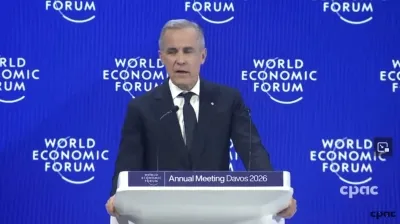

Karsten Wenzlaff, Advisor
August 26th, 2025
Karsten Wenzlaff is a Crowdfunding and Fintech Expert from Germany. He is Secretary-General of Digit[...]


ESG | Nov 28, 2023

Image by Freepik
This initiative, part of Project Greenprint, aims to simplify sustainability reporting and decision-making processes for both large corporations and small and medium enterprises (SMEs). Gprnt integrates four key utilities: a disclosure portal, a data registry, a solutions marketplace, and data orchestration capabilities, offering a comprehensive solution for ESG data management.
Scheduled for a progressive rollout starting from Q1 2024, Gprnt promises to automate ESG reporting, providing timely insights and enhanced data access for the ESG community.
Gprnt is a significant step towards simplifying and standardizing ESG reporting. By automating and integrating the reporting process, it reduces the complexity and cost for businesses, especially SMEs, in aligning with global sustainability standards. The platform's ability to provide accurate and timely ESG data is crucial for informed decision-making in sustainable finance and corporate strategies. Furthermore, its cross-border capabilities and partnerships with major financial and tech entities underscore its potential impact on the global ESG landscape.
By leveraging technology to automate and streamline the ESG data process, Gprnt not only aids businesses in their sustainability journey but also plays a crucial role in shaping a more sustainable and transparent global economy. Its impact on SMEs and the broader financial sector will help establish a new standard in ESG data management and utilization.
 The National Crowdfunding & Fintech Association (NCFA Canada) is a financial innovation ecosystem that provides education, market intelligence, industry stewardship, networking and funding opportunities and services to thousands of community members and works closely with industry, government, partners and affiliates to create a vibrant and innovative fintech and funding industry in Canada. Decentralized and distributed, NCFA is engaged with global stakeholders and helps incubate projects and investment in fintech, alternative finance, crowdfunding, peer-to-peer finance, payments, digital assets and tokens, artificial intelligence, blockchain, cryptocurrency, regtech, and insurtech sectors. Join Canada's Fintech & Funding Community today FREE! Or become a contributing member and get perks. For more information, please visit: www.ncfacanada.org
 |  |  |
|---|---|---|
 |  |  |
Nov 6, 2023

Image: Pixabay/eliasfalla
About 98% of America’s 2 million farms are operated by families, and of these family-run farms, 90% of them are small and gross less than $350,000 annually. However, these small-scale farms account for 22% of our country’s food production. As the world population increases, these farms are playing a critical role in global food production, and agricultural experts and innovators are continually looking for ways to support them. One of the greatest needs of small-scale farms is access to funding, and out of this need, two trends have emerged that are greatly improving the livelihoods of farmers across the country: microloans and crowdfunding. This article will explore these two trends, how they work, and who they are benefitting the most.
Microloans are small, short-term loans that are given to individuals or small businesses. These loans differ from traditional loans in that they often do not require the same stringent criteria. Whereas financial institutions managing larger business loans often require a great credit history and large collateral, microloans are often more flexible, and thus more accessible for small-scale farmers.
Young farmers and those starting their businesses can greatly benefit from this accessibility, as they have not yet had a chance to build enough equity to qualify for a more traditional loan. There are certain loan programs specifically designed for the young or less-established farmer looking to break into the agricultural industry. Women and minorities are also some of the greatest beneficiaries of microloans, with the Farm Service Agency designating a portion of their loan funds for these historically underserved communities. These types of programs are ensuring that people from all different backgrounds can have an equal opportunity in their agricultural pursuits.
Crowdfunding is another approach many small-scale farmers are taking to meet their capital needs. Crowdfunding is the pooling together of funds from many individuals. With crowdfunding, you can become an investor in a small business with just a few dollars. While this may not seem like much in the long-run, small donations from many different investors can add up to make a big difference.
Crowdfunding further serves the farmer by reducing their dependence on larger financial institutions, and instead, it strengthens the relationship between the farmer and their community. Farmers can use the power of social media to showcase their products and their vision, and their communities can become investors in that product and vision with whatever resources they have. However, not all crowdfunding campaigns are successful, and it requires some level of online literacy and community presence from the farmer. One study showed that some of the most successful crowdfunding campaigns were ones where 80% of the funds came from a farm’s already existing customer base.
Microloans and crowdfunding are among some of the great resources benefitting today’s small-scale farmers. These tools seem to particularly benefit young farmers (both in age and experience), farmers from historically underserved communities, and marketing-savvy farmers looking to utilize the power of the internet to grow their businesses. These small-scale farms are vital to our world, and various pathways to funding are essential to help ensure these farms can keep up with an ever-growing demand.
The National Crowdfunding & Fintech Association (NCFA Canada) is a financial innovation ecosystem that provides education, market intelligence, industry stewardship, networking and funding opportunities and services to thousands of community members and works closely with industry, government, partners and affiliates to create a vibrant and innovative fintech and funding industry in Canada. Decentralized and distributed, NCFA is engaged with global stakeholders and helps incubate projects and investment in fintech, alternative finance, crowdfunding, peer-to-peer finance, payments, digital assets and tokens, artificial intelligence, blockchain, cryptocurrency, regtech, and insurtech sectors. Join Canada's Fintech & Funding Community today FREE! Or become a contributing member and get perks. For more information, please visit: www.ncfacanada.org
| | |
|---|---|---|
| | |
Regulatory Insights | Nov 1, 2023

Image courtesy of Pixabay
The administration's efforts to channel federal funds into clean energy projects through billions of dollars in tax credits are at risk of being undermined by impending banking regulations aimed at reducing the risk associated with large banks.
The renewable energy sector, which heavily relies on substantial investments from banks and other financial backers, is now at a crossroads. In 2022 alone, banks invested $19 billion in clean energy projects such as solar and wind power, seeking returns in the form of tax credits and other benefits. However, the proposed banking rules threaten to increase the cost of these investments significantly, potentially stifling the growth of renewable energy initiatives.
The crux of the issue lies in the conflict between the transition away from fossil fuels and the need to ensure the stability of the global financial system. The banking regulations in question are part of a global agreement forged in Basel, Switzerland, following the 2008 financial crisis, aiming to minimize the risk of bank collapses by increasing the capital requirements for large banks.
The renewable energy industry, along with various Democratic lawmakers, is raising concerns about the potential negative impact of these regulations on the progress made by the Inflation Reduction Act, a cornerstone of President Biden’s climate policy. The industry is calling for an exemption for clean energy tax credits, arguing that these investments are less risky than other private equity ventures subject to the same capital requirements.
As the debate continues, the banking agencies responsible for issuing the rules have extended the public comment period, with the finalization of the rules expected in the coming year. The outcome of this debate will have lasting implications on the future of renewable energy and the role of financial institutions in supporting the transition to a cleaner, more sustainable future.
The National Crowdfunding & Fintech Association (NCFA Canada) is a financial innovation ecosystem that provides education, market intelligence, industry stewardship, networking and funding opportunities and services to thousands of community members and works closely with industry, government, partners and affiliates to create a vibrant and innovative fintech and funding industry in Canada. Decentralized and distributed, NCFA is engaged with global stakeholders and helps incubate projects and investment in fintech, alternative finance, crowdfunding, peer-to-peer finance, payments, digital assets and tokens, artificial intelligence, blockchain, cryptocurrency, regtech, and insurtech sectors. Join Canada's Fintech & Funding Community today FREE! Or become a contributing member and get perks. For more information, please visit: www.ncfacanada.org
| | |
|---|---|---|
| | |
Sustainability | Oct 25, 2023

Image: Unsplash/Mert Guller
Lynn Johannson, an NCFA advisor and a sustainability expert, sheds light on this pressing issue, urging the Fintech industry to rethink its energy strategies and embrace sustainability as a core business value.
The FinTech sector’s dependency on IT is a double-edged sword. On one hand, it drives innovation, efficiency, and accessibility; on the other, it leads to an insatiable demand for energy. Johannson paints a vivid picture of this paradox below, highlighting the direct correlation between increased IT reliance, energy consumption, and GHG emissions. As the sector continues to grow, the sustainability of its energy sources becomes a question that cannot be ignored.
The repercussions of increased GHG emissions extend far beyond the confines of the Fintech industry. Johannson eloquently connects the dots between GHG emissions and climate instability, leading to erratic weather patterns and power disruptions.
For a sector that thrives on constant connectivity and uninterrupted service, the implications are profound. Power outages and energy instability could limit essential financial services, leaving consumers in the lurch and businesses at a standstill.
Johannson’s message is clear: optimizing energy use is not just a good practice; it is an imperative for survival and relevance in the Fintech sector. The industry must proactively seek ways to reduce its energy footprint, investing in renewable energy sources and embracing energy-efficient technologies. This shift is not just about mitigating risks; it is about creating a resilient, sustainable business model that is prepared for the future. Focusing on business energy, organizations can streamline their processes, reduce costs, and contribute to a cleaner, greener future.
While certificate programs in sustainability are becoming more prevalent to bridge sustainability knowledge gaps, Johannson warns against the pitfalls of ‘competence greenwashing’. True expertise in sustainability requires more than a cursory understanding of the concepts; it demands a deep, nuanced knowledge that can only be acquired through extensive experience and learning. As Malcolm Gladwell’s 10,000-hour rule suggests, mastery in sustainability is a journey, not a destination.
The Fintech sector must seize the the opportunity to redefine its role in the global sustainability narrative. By investing in genuine sustainability education, adopting energy-efficient practices, and committing to transparent, responsible energy use, the industry can set a new standard for sustainable business. The path forward is clear, and the time to act is now.
Lynn Johannson’s insights serve as a clarion call for the Fintech sector, highlighting the urgent need for a strategic shift towards sustainability and energy efficiency. The industry has the tools, the technology, and the expertise to make this transition; what it needs now is the collective will and commitment to build a sustainable future. The journey towards sustainability is not just a business strategy; it is a moral imperative, a commitment to future generations, and a testament to the resilience and innovation that defines the Fintech sector.

Infographic: Tech Target
The National Crowdfunding & Fintech Association (NCFA Canada) is a financial innovation ecosystem that provides education, market intelligence, industry stewardship, networking and funding opportunities and services to thousands of community members and works closely with industry, government, partners and affiliates to create a vibrant and innovative fintech and funding industry in Canada. Decentralized and distributed, NCFA is engaged with global stakeholders and helps incubate projects and investment in fintech, alternative finance, crowdfunding, peer-to-peer finance, payments, digital assets and tokens, artificial intelligence, blockchain, cryptocurrency, regtech, and insurtech sectors. Join Canada's Fintech & Funding Community today FREE! Or become a contributing member and get perks. For more information, please visit: www.ncfacanada.org
| | |
|---|---|---|
| | |
Hackathon | Oct 24, 2023

COP28 stands as a testament to the UAE's commitment to leading energy and sustainability initiatives. This transformative event is poised to drive meaningful climate action and foster solutions that span across governments, industries, and sectors. It's a global call to action, urging us all to play our part in shaping a sustainable future.
ReFi is not just about sustaining; it's about thriving. It's a revolutionary approach to finance that seeks to rejuvenate our ecosystems, communities, and economies. By aligning financial systems with the principles of the circular economy, social equity, and environmental stewardship, ReFi aims to create a harmonious balance between our economic activities and the natural world.
Are you ready to be a part of the solution? The ReFi Hackathon is happening right now, with the Problem Playoff challenging participants to define and solve real-world issues. This is your chance to collaborate, innovate, and contribute to the regenerative finance movement.
Your support can be the catalyst for change. Whether through financial contributions, mentorship, or simply spreading the word, every action counts. Join ReFi Hackathon in supporting the bright minds that are shaping the future of finance and contributing to a more sustainable world.
📣 Spread the Word @hackrefi : Create some buzz for the innovators of tomorrow. Join the Virtual ReFi Hackathon and be a part of the journey towards regenerative finance!
The National Crowdfunding & Fintech Association (NCFA Canada) is a financial innovation ecosystem that provides education, market intelligence, industry stewardship, networking and funding opportunities and services to thousands of community members and works closely with industry, government, partners and affiliates to create a vibrant and innovative fintech and funding industry in Canada. Decentralized and distributed, NCFA is engaged with global stakeholders and helps incubate projects and investment in fintech, alternative finance, crowdfunding, peer-to-peer finance, payments, digital assets and tokens, artificial intelligence, blockchain, cryptocurrency, regtech, and insurtech sectors. Join Canada's Fintech & Funding Community today FREE! Or become a contributing member and get perks. For more information, please visit: www.ncfacanada.org
| | |
|---|---|---|
| | |
Oct 9, 2023

Image: Freepik/studiogstock
In an increasingly interconnected world, financial inclusion has become a crucial goal for governments, financial institutions, and fintech companies. The objective is clear: to ensure that all individuals have access to essential financial services and opportunities regardless of their economic status. Fintech, short for financial technology, has been a driving force behind the expansion of financial access to underserved populations worldwide.
In this article, we will explore how fintech solutions are bridging the financial gap and examine their social and economic impact.
Before delving into the role of fintech in promoting financial inclusion, it's essential to understand the scope of the problem. Financial exclusion is a global challenge affecting millions, particularly in developing countries. These individuals often lack access to basic financial services such as savings accounts, credit, insurance, and payment methods. The consequences of financial exclusion are far-reaching, perpetuating a cycle of poverty and limiting opportunities for social and economic advancement.
Fintech has emerged as a powerful tool for empowering the unbanked and underbanked populations. Traditional banking systems often require extensive paperwork, collateral, and credit checks, making it difficult for individuals without a substantial financial history to access services. However, fintech companies have developed innovative solutions that require little to no credit history, making financial services accessible to a broader range of people.
One notable example is the introduction of no credit check personal loans. These loans are designed to provide individuals with immediate access to funds without the stringent credit checks that are common in traditional lending institutions. By offering such loans, fintech companies are helping individuals cover emergency expenses, invest in education, or start small businesses, all of which contribute to economic growth and stability.
Financial inclusion goes beyond access to services; it also involves equipping individuals with the knowledge and skills to make informed financial decisions. Fintech companies are leveraging technology to provide financial education through apps, websites, and other digital platforms. These tools help users understand concepts like budgeting, saving, investing, and debt management.
By improving financial literacy, fintech companies empower individuals to make better financial choices, leading to increased savings, reduced debt, and improved overall financial well-being. This, in turn, positively impacts their communities and the broader economy.
Access to secure and convenient payment methods is fundamental to financial inclusion. Fintech solutions have made significant strides in this area by providing digital payment platforms accessible to individuals without traditional bank accounts. Mobile wallets, peer-to-peer payment apps, and contactless payment options have become increasingly prevalent, making it easier for underserved populations to participate in the digital economy.
The convenience and efficiency of digital payments benefit individuals and contribute to economic growth by reducing reliance on cash transactions, which are often costly and less secure. As more people access digital payment solutions, the informal economy can transition into the formal sector, leading to increased tax revenue and improved financial stability for governments.
Access to credit is a vital component of financial inclusion, as it enables individuals to invest in their futures through education, entrepreneurship, or homeownership. Fintech companies use innovative algorithms and alternative data sources to assess creditworthiness beyond traditional credit scores. This approach allows them to extend credit to individuals who might have been excluded by traditional banks.
While fintech has made significant strides in promoting financial inclusion, it's essential to recognize the role of regulatory frameworks in shaping the industry's impact. Governments and regulatory bodies are crucial in creating an environment that fosters responsible fintech innovation while safeguarding consumer interests.
Regulations can help ensure that fintech companies adhere to fair lending practices, data privacy standards, and consumer protection measures. By striking the right balance between innovation and oversight, governments can support the continued growth of fintech as a force for financial inclusion.
Fintech's role in promoting financial inclusion is undeniable, with its impact extending far beyond just providing access to financial services. Fintech empowers individuals, enhances financial literacy, facilitates digital payments, and promotes access to credit, all of which contribute to economic growth and social development.
As fintech continues to evolve, it is essential that stakeholders, including governments, financial institutions, and fintech companies, work together to create an environment that fosters responsible innovation and ensures that the benefits of fintech reach the most vulnerable and underserved populations. In doing so, we can bridge the financial gap and create a more inclusive and prosperous future for all.
The National Crowdfunding & Fintech Association (NCFA Canada) is a financial innovation ecosystem that provides education, market intelligence, industry stewardship, networking and funding opportunities and services to thousands of community members and works closely with industry, government, partners and affiliates to create a vibrant and innovative fintech and funding industry in Canada. Decentralized and distributed, NCFA is engaged with global stakeholders and helps incubate projects and investment in fintech, alternative finance, crowdfunding, peer-to-peer finance, payments, digital assets and tokens, artificial intelligence, blockchain, cryptocurrency, regtech, and insurtech sectors. Join Canada's Fintech & Funding Community today FREE! Or become a contributing member and get perks. For more information, please visit: www.ncfacanada.org
| | |
|---|---|---|
| | |
Report | Oct 4, 2023

The insights derived from the report could serve as a foundational framework for policymakers, financial technology providers, and central banks in designing and implementing digital payment products and services that are not only technologically advanced but also universally accessible and equitable. Beyond fintech innovators, traditional financial institutions, and policy-makers, the general public and consumer must be consulted and brought to the forefront of the discussion.
The National Crowdfunding & Fintech Association (NCFA Canada) is a financial innovation ecosystem that provides education, market intelligence, industry stewardship, networking and funding opportunities and services to thousands of community members and works closely with industry, government, partners and affiliates to create a vibrant and innovative fintech and funding industry in Canada. Decentralized and distributed, NCFA is engaged with global stakeholders and helps incubate projects and investment in fintech, alternative finance, crowdfunding, peer-to-peer finance, payments, digital assets and tokens, artificial intelligence, blockchain, cryptocurrency, regtech, and insurtech sectors. Join Canada's Fintech & Funding Community today FREE! Or become a contributing member and get perks. For more information, please visit: www.ncfacanada.org
| | |
|---|---|---|
| | |



August 26th, 2025

January 4th, 2024

June 1st, 2021

September 9th, 2020

July 9th, 2018

January 3rd, 2018

September 25th, 2017

June 20th, 2017

May 10th, 2017

December 14th, 2016
