




Karsten Wenzlaff, Advisor
August 26th, 2025
Karsten Wenzlaff is a Crowdfunding and Fintech Expert from Germany. He is Secretary-General of Digit[...]


Consensus Toronto | May 9, 2025

The financial world is changing fast, and Consensus 2025 Toronto is where proactive, leading advisors will be. On May 15, CoinDesk is hosting Wealth Management Day as part of its flagship conference at the Metro Toronto Convention Centre. It's a dedicated one day program specifically for professional wealth managers and financial advisors who want to understand how digital assets, tokenization, AI, and macro forces are changing investment portfolios now and in the future.
Approved advisors will receive a complimentary Platinum Pass, for full 3-day access to Consensus 2025 from May 14–16, including all general programming, high-level networking, and private meetings with industry leaders.
Wealth Management Day offers a full morning of advisor focused content followed by roundtable networking in the afternoon. Topics include:
Speakers come from leading firms like Coinbase, T. Rowe Price, Evolve ETFs, CMCC Global, and Cambrian Asset Management. Government regulators and fintech founders will also join for candid conversations about what's happening today, what's coming next, and what advisors need to prepare for.
Below are just a few of the speakers presenting on Wealth Management Day at Consensus on May 15:
Globally and in Canada too, investors are looking for advisors who can offer informed, compliant, and proactive strategies and advice. Wealth Management Day is where crypto and the investment ecosystem intersect, from startups to global firms, regulators to entrepreneurs.
For advisors, Wealth Management Day is a low risk, high reward way to plug in, and it’s free for those who qualify.
"With ETFs and tokenized funds on the rise, advisors who ignore digital assets risk being left behind, not by the technology but by their clients who want to drive the future. "
 The National Crowdfunding & Fintech Association (NCFA Canada) is a financial innovation ecosystem that provides education, market intelligence, industry stewardship, networking and funding opportunities and services to thousands of community members and works closely with industry, government, partners and affiliates to create a vibrant and innovative fintech and funding industry in Canada. Decentralized and distributed, NCFA is engaged with global stakeholders and helps incubate projects and investment in fintech, alternative finance, crowdfunding, peer-to-peer finance, payments, digital assets and tokens, artificial intelligence, blockchain, cryptocurrency, regtech, and insurtech sectors. Join Canada's Fintech & Funding Community today FREE! Or become a contributing member and get perks. For more information, please visit: www.ncfacanada.org
 |  |  |
|---|---|---|
 |  |  |
Crypto Regulation | May 8, 2025
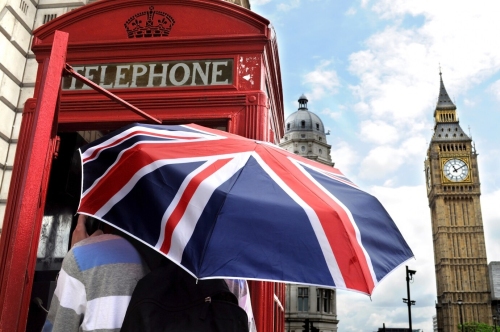
Image: Freepik/jcstudio
The Financial Conduct Authority (FCA) just dropped Discussion Paper 25/1 'Regulating Cryptoasset Activities' (83 page PDF) for industry and stakeholder feedback, following the HM Treasury’s draft rules shared on April 29, 2025 that propose bringing crypto activities under the Financial Services and Markets Act. The FCA is now seeking feedback on how to regulate trading platforms, intermediaries, lending, staking, and decentralized finance. The discussion proposals look to reduce consumer harm, improve market fairness, and align with global standards.
Firms that run crypto trading platforms and serve UK retail customers will need FCA approval. Platforms will not be allowed to trade against their own customers. All trades must be handled through fair and consistent rules. The platform must stay neutral and cannot lend to customers or carry risk between buyers and sellers.
Foreign crypto platforms that want to serve UK customers must have a UK branch and/or a UK-based legal entity. The FCA is not extending the Overseas Persons Exclusion to crypto.
Many retail investors use bots or automated strategies. The FCA wants platforms to take responsibility for monitoring this activity and managing any risks that come with it.
Platforms often rely on market makers to provide liquidity. Some market makers are tied to the platform operator or its affiliates. The FCA wants stronger controls and greater transparency.
Some platforms be able to list tokens that they or their affiliates have issued. This can create conflicts of interest and make it harder to ensure fair trading. The FCA is considering rules that would separate the platform operator from the token issuer.
The FCA says neutral platforms should not act as lenders or clearing houses; they should not extend credit or carry risk between users. However, platforms must still make sure that trades are settled safely and on time.
The FCA proposes clear rules on pre trade and post trade transparency. Platforms may be required to publish order book data and store transaction records for five years. This could include transactions by individual retail users.
The FCA is asking for feedback on discussion paper 25/1 by 13 June 2025. You can respond by using the form on the FCA website or email: dp25-1@fca.org.uk. These ideas and subsequent discussions could influence regulators around the world. Canada’s fintech sector and policymakers should review how the proposed UK rules could affect global competitiveness, partnerships, and innovation pathways.
The National Crowdfunding & Fintech Association (NCFA Canada) is a financial innovation ecosystem that provides education, market intelligence, industry stewardship, networking and funding opportunities and services to thousands of community members and works closely with industry, government, partners and affiliates to create a vibrant and innovative fintech and funding industry in Canada. Decentralized and distributed, NCFA is engaged with global stakeholders and helps incubate projects and investment in fintech, alternative finance, crowdfunding, peer-to-peer finance, payments, digital assets and tokens, artificial intelligence, blockchain, cryptocurrency, regtech, and insurtech sectors. Join Canada's Fintech & Funding Community today FREE! Or become a contributing member and get perks. For more information, please visit: www.ncfacanada.org
| | |
|---|---|---|
| | |
Payments | May 7 2025
Image from Shakepay joins Payments Canada
Canadian fintech just took a significant step forward. On May 5, 2025, Shakepay Inc, a Montreal-based crypto platform and CIRO-regulated securities dealer announced that they are the first crypto-native company to officially join Payments Canada, an independent public-purpose organization that owns and operates Canada's core payment infrastructure under federal oversight including the systems that clear and settle over $120 trillion annually.
This move could open the door for deeper integration of digital assets into Canada's regulated financial system, which in turn could accelerate innovation, competition, and consumer access to key fintech services including crypto and digital assets more broadly.
Shakepay’s blog announcement:
"Not only are we joining an exclusive group of fintechs, but it marks a significant step towards bridging the gap between the crypto industry and traditional finance in Canada."
Shakepay’s access to the national payment infrastructure is about more than speed. It aligns with their vision to make 'bitcoin more accessible to Canadians', and as member they can work directly with banks, fintechs, and other financial institutions under the same rules and protections as traditional players. This includes faster and more reliable fiat payment options to its customers, and access to the Real-Time Rail system when it's expected to rollout in 2026.
This is the same infrastructure that open banking will rely on, so it gives Shakepay critical access, aligning its services with evolving standards for instant payments, data access, and interoperability.
It also gives them a seat at the 'parents table', allowing them to participate in key discussions, collaborate with key industry leaders, and bridge the gap between digital assets and traditional finance, while setting the stage for future participation in Canada's open banking framework.
It does raise several questions though, such as will this move make it easier for other fintechs to gain access to the same payments infrastructure? Will their ability to educate, advocate, and generate significant banking partnerships accelerate regulatory clarity for expanding crypto services in Canada? Will this lead to a direct crypto to fiat payment service via the national payments infrastructure?
While the answers will no doubt take time to emerge, the line between traditional financial institutions and digital asset platforms continues to blur. And this is the first time that a crypto-native firm is running through the heart of Canada's payment system.
The National Crowdfunding & Fintech Association (NCFA Canada) is a financial innovation ecosystem that provides education, market intelligence, industry stewardship, networking and funding opportunities and services to thousands of community members and works closely with industry, government, partners and affiliates to create a vibrant and innovative fintech and funding industry in Canada. Decentralized and distributed, NCFA is engaged with global stakeholders and helps incubate projects and investment in fintech, alternative finance, crowdfunding, peer-to-peer finance, payments, digital assets and tokens, artificial intelligence, blockchain, cryptocurrency, regtech, and insurtech sectors. Join Canada's Fintech & Funding Community today FREE! Or become a contributing member and get perks. For more information, please visit: www.ncfacanada.org
| | |
|---|---|---|
| | |
Crypto Law | May 7, 2025

Image: Freepik
On May 6, 2025, Governor Kelly Ayotte signed New Hampshire House Bill 302 into law, allowing the state treasury to invest up to 5% of surplus public funds in digital assets with a market cap over $500 billion, currently only Bitcoin qualifies.
Kelly Ayotte, Governor of New Hampshire posted on X:
"New Hampshire is once again First in the Nation! Just signed a new law allowing our state to invest in cryptocurrency and precious metals."
The new law catapults New Hampshire to the forefront of state-level crypto adoption in North America, and is a breakthrough in what was becoming a stalling legislative trend. For example, States like Arizona and Florida faced political pushback or abandoned similar efforts.
“...any digital assets with a market capitalization of over $500 billion averaged over the previous calendar year…”
This effectively excludes all altcoins including Ethereum unless they exceed the $500B threshold over a full year period. It's a narrow scope but deliberate to reduce risk and focus on perceived stability.
“Secure custody solution" must include:
These detailed requirements reflect institutional-grade best practices (likely excluding retail options), and may raise the bar for custody providers targeting public entities.
The state may invest in qualifying digital assets by direct holdings or qualified custodians or an exchange-traded product (ETP) registered by the U.S. Securities and Exchange Commission.
This opens the door for investing in ETF style exposure to bitcoin which reduces the complexities of ownership, custody, and compliance.
“Precious metals” means silver, gold, or platinum coins, bullion, or other forms. So, this isn't just a crypto reserve bill but also a hedge against fiat currency risk, and part of New Hampshire’s broader fiscal policy strategy.
This means that will legislative approval, the state could invest in various types of qualifying funds. It could be a General Fund, Revenue Stabilization Fund, or any other fund approved by the legislature, allowing for flexible portfolio construction over time.
At the federal level, President Donald Trump signed an executive order on March 6, 2025, establishing a Strategic Bitcoin Reserve and a U.S. Digital Asset Stockpile, which would be funded largely by seized Bitcoin in criminal and civil cases and to avoid and prevent taxpayer burden. The order also mandated a full audit of government-held digital assets and restricted any Bitcoin sales from the reserve.
President Trump's involvement in personal cryptocurrency ventures has raised ethical questions of mixing political influence with personal financial gain. In January 2025, Trump launched a memecoin $TRUMP and recently announced a 'pay to play' exclusive dinner for the top 220 holders of his memecoin, which has generated the owner of the memecoin (reportedly a large portion is owned by the Trumps) $320 million in fees, according to the Globe and Mail.
In response to the latest developments, Democrats Senators, Jeff Merkley and Chuck Schumer, introduced the End Crypto Corruption Act on May 6, 2025 by way of a press release, which aims to prevent U.S. federal officials and their immediate families from investing in, endorsing or financially benefiting from cryptocurrencies like memecoins.
The varying approaches to crypto policy across different levels of U.S. government highlight the complexities and fast pace of change being considered, ever since Trump signed the digital assets and bitcoin reserve executive order. For global policymakers including Canada, New Hampshire's model could set a precedent for integrating digital assets into public fund portfolios. Surely, Vancouver's Mayor Ken Sim who has been a major advocate of a potential bitcoin reserve in Canada is following the impacts of this story closely.
The National Crowdfunding & Fintech Association (NCFA Canada) is a financial innovation ecosystem that provides education, market intelligence, industry stewardship, networking and funding opportunities and services to thousands of community members and works closely with industry, government, partners and affiliates to create a vibrant and innovative fintech and funding industry in Canada. Decentralized and distributed, NCFA is engaged with global stakeholders and helps incubate projects and investment in fintech, alternative finance, crowdfunding, peer-to-peer finance, payments, digital assets and tokens, artificial intelligence, blockchain, cryptocurrency, regtech, and insurtech sectors. Join Canada's Fintech & Funding Community today FREE! Or become a contributing member and get perks. For more information, please visit: www.ncfacanada.org
| | |
|---|---|---|
| | |
Regulation | May 5, 2025

Image: Freepik/fabrikasimf
On April 29, 2025 during UK Fintech Week, the UK government published draft rules to bring cryptoasset firms under its financial services regulatory framework. The rules have been in the works for many years with the goal to protect consumers and stop fraud while giving fintech firms clear rules to innovate. If adopted, the new rules would apply to crypto companies based in the UK and also overseas if they serve UK customers including crypto trading, custody, brokering and marketing related firms operating in the sector. Read the 'Future financial services regulatory regime policy note (accessible)'.
The draft version is being published for technical feedback only (not policy direction) with stakeholder comments due by May 23, 2025. Rules around market abuse and token listings are not yet included, and will be published later.
The UK's crypto legislation follows years of planning. In 2018, the UK created the Cryptoassets Taskforce to better understand how crypto fits into financial markets. By 2022, the government committed to becoming a global crypto hub. In 2023, it launched a consultation to bring crypto into the Financial Services and Markets Act.
The Regulated Activities Order (RAO) is being expanded to cover crypto, and will replace the lighter anti-money laundering registration model currently in place.
The draft legislation doesn't include separate rules for decentralized finance (DeFi) but it makes clear that authorization is still required if a person or entity is in fact effectively controlling or operating a regulated activity, such as governance, interfaces, and service providers connected to decentralized trading platforms, staking, custody, or stablecoin models.
Interestingly, if a DeFi protocol is truly autonomous and doesn't have an identifiable party conducting business activity, it may fall outside the scope. However in reality, most DeFi projects today that offer user interfaces, save admin keys, touch fees or tokens could be subject to UK regulation.
In the UK, cryptoassets will be regulated under the same legal framework used for mainstream financial services. The new rules bring crypto into the Financial Services and Markets Act 2000 (FSMA), which currently oversees banking, securities, and insurance. Crypto firms must be authorized by the FCA and meet detailed standards for conduct, custody, and consumer protection.
In Canada, regulation falls under securities law. The Canadian Securities Administrators (CSA) and provincial regulators such as the Ontario Securities Commission (OSC) treat many crypto tokens as securities or derivatives. Platforms are expected to register as dealers or marketplaces, but there isn't a separate regime for stablecoin issuers or crypto payments.
The UK has introduced a dedicated framework for qualifying stablecoins. While Canada does not have a separate regime for stablecoin issuers, they refer to them as value-referenced crypto assets (VRCAs) and certain trading conditions apply for registered platforms only.
The FCA is planing to ban retail from purchasing cryptocurrencies using borrowed funds. Canada has not gone that far but Canadian platforms must conduct suitability and risk assessments.
Both countries operate sandboxes. The UK launched a Digital Securities Sandbox (DSS) on Sep 30, 2024, see joint policy statement by the Bank of England at the FCA. DSS allows firms to test new financial market technologies, such as distributed ledger technology (DLT) in a real world environment under a temporarily modified legal and regulatory framework to support innovation.
The UK and US are exploring closer cooperation on digital assets, including a potential joint transatlantic sandbox for digital securities. The initiative was discussed by Chancellor Rachel Reeves and US Treasury Secretary Scott Bessent, and will be taken advanced through the UK–US Financial Regulatory Working Group with the goal of supporting responsible innovation across both markets.
Canada has had a regulatory sandbox since 2017, which helped firms like Wealthsimple Digital Assets gain conditional approval. However Canada’s sandbox is domestically focused on exemptions, while the UK is pushing for global coordination.
The differences between the UK's approach and Canada's is structural. The UK is building crypto into its core financial regulation while Canada continues to fit crypto into its existing securities regime.
UK rules will influence global standards. For Canadian firms with UK clients, the operating requirements and costs are about to get a lot more challenging and rise. The UK's approach also puts pressure on all global regulators including Canada to clarify and modernize their own crypto frameworks. The final version of the UK's crypto rules is expected later this year. The UK also said they would release a Financial Services Growth Strategy on 15 July 2025 to outline its long term financial technology priorities.
The National Crowdfunding & Fintech Association (NCFA Canada) is a financial innovation ecosystem that provides education, market intelligence, industry stewardship, networking and funding opportunities and services to thousands of community members and works closely with industry, government, partners and affiliates to create a vibrant and innovative fintech and funding industry in Canada. Decentralized and distributed, NCFA is engaged with global stakeholders and helps incubate projects and investment in fintech, alternative finance, crowdfunding, peer-to-peer finance, payments, digital assets and tokens, artificial intelligence, blockchain, cryptocurrency, regtech, and insurtech sectors. Join Canada's Fintech & Funding Community today FREE! Or become a contributing member and get perks. For more information, please visit: www.ncfacanada.org
| | |
|---|---|---|
| | |
Regulation | April 29, 2025

Image: Freepik/brgfx
On April 25, 2025, the U.S. Securities and Exchange Commission (SEC) hosted a crypto roundtable discussion together with select industry experts and legal participants, "Know Your Custodian: Key Considerations for Crypto Custody" at the SEC's headquarters in Washington, D.C.
The opening session included remarks from Crypto Task Force Chief of Staff Richard Gabbert and SEC Chair Paul Atkins, followed by Commissioners Hester Peirce, Caroline Crenshaw, and Mark Uyeda.
Chairman Paul Atkins emphasized the importance of finally fixing long standing regulatory problems for digital assets and blockchain technology. He thanked Commissioner Hester Peirce for her leadership and described her as the right person to push forward a 'common sense' approach to crypto markets. Atkins made it clear that he wants the agency to end the uncertainty that has stifled innovation in the sector for years. He essentially confirmed what industry has been saying for years. That is that entrepreneurs across the country are building better, safer, and cheaper financial services using blockchain tech but regulatory confusion has held them back. He committed to working with Congress and the Trump Administration to set up a fit for purpose regulatory framework for crypto assets. Read his remarks here.
Commissioner Hester Peirce compared the current U.S. regulatory approach of crypto custody to a children’s game called “the floor is lava” except that regulators are making it much harder by leaving the room dark and not providing clear guidance. She said today’s rules make it very difficult for brokers, investment advisers, and investment funds to engage with crypto assets safely or legally. The SEC should make the rules clearer and recognize that not all crypto assets are the same, and in some cases using blockchain technology could even make custody safer than traditional systems. She also stressed that investors should be allowed to self-custody their assets without having to go through intermediaries like banks or broker-dealers, warning that the rules should not force unnecessary middlemen onto investors who prefer to manage their own assets securely. Regulation should encourage safer crypto markets without crushing innovation or forcing outdated models onto new technology.
Commissioner Caroline Crenshaw said that the lack of robust custody standards for crypto assets is a serious gap, and that the current environment is a risk for both retail and institutional investors. She mentioned the collapse of FTX and mismanagement in several crypto lending firms as examples of what can go wrong without the appropriate oversight, and questioned whether existing broker-dealer and advisory regimes were sufficient. Crenshaw said that any framework for custody must be technologically sound and legally enforceable to avoid paper compliance without real safeguards.
Commissioner Mark Uyeda stressed that regulatory requirements must be clear or they'll drive companies offshore and that innovation was important. Cautioned against applying a single rule in a digital asset sector where one size doesn't fit all and could stifle experimentation. He asked whether digital custodians should be assessed like their traditional counterparts, if they meet the equivalent operational and risk controls.
While the roundtable had two different focused panel discussions, here are five key challenges that were discussed when trying to apply traditional custody regulations to crypto assets.
Takeaway: Some consensus that federal securities laws need to be modernized to support custody models for crypto assets, and compliant innovation.
Takeaway: The SEC must recognize that crypto custody involves new forms of risk that current frameworks do not address (nor were they designed to).
Takeaway: SAB 121 may have made it harder for trusted firms to offer crypto custody, which could reduce investor protection.
Takeaway: Broker dealer models need updated guidance to allow more participation in digital asset custody while still protecting investors.
Takeaway: Custodial frameworks must guarantee client protections to the equivalent of traditional systems (expectations) to support long term growth.
The SEC roundtable series is a clear sign that key SEC regulators are open to revisiting current rules. As more investors and institutions enter crypto markets, the need for clear rules on how to safely hold these assets is becoming urgent.
The collaboration and engagement with industry should move the U.S. closer to having a practical crypto framework that supports both innovation and safety.
The National Crowdfunding & Fintech Association (NCFA Canada) is a financial innovation ecosystem that provides education, market intelligence, industry stewardship, networking and funding opportunities and services to thousands of community members and works closely with industry, government, partners and affiliates to create a vibrant and innovative fintech and funding industry in Canada. Decentralized and distributed, NCFA is engaged with global stakeholders and helps incubate projects and investment in fintech, alternative finance, crowdfunding, peer-to-peer finance, payments, digital assets and tokens, artificial intelligence, blockchain, cryptocurrency, regtech, and insurtech sectors. Join Canada's Fintech & Funding Community today FREE! Or become a contributing member and get perks. For more information, please visit: www.ncfacanada.org
| | |
|---|---|---|
| | |
Crypto | April 28, 2025

Image: Freepik/DC Studio
As reported by Coindesk, the U.S. Securities and Exchange Commission (SEC) has officially approved three XRP futures exchange-traded funds (ETFs) from ProShares, with trading scheduled to begin on April 30, 2025. This is another major milestone for XRP and crypto, even though the approval is for futures contracts and not direct XRP ownership. This means that investors can trade price movements of XRP without having to buy, store, or manage crypto itself.
Here are the 3 ProShares ETFs set to launch:
Notably, the SEC has still not approved a spot XRP ETF. According to Coingecko, the spot price of XRP at the time of writing is currently trading at $2.88 per token with an increase of 8.9% in the last 7 days.
Also, the CME Group, derivatives exchange, plans to introduce a cash settled XRP futures contract on May 19, 2025, pending regulatory approval.
Institutional demand for cryptocurrencies continues to grow. Below is a snapshot provided by Nate Geraci on X of the Bitcoin ETF's that launched in 2024, including the Assets Under Management (AUM) and implied revenue.
Nearly 16mos after spot btc ETFs launched, GBTC still making more $$$ than all of the other ETFs combined...
And it's not even close. pic.twitter.com/Tfn7g1j5Su
— Nate Geraci (@NateGeraci) April 27, 2025
While Canadian regulators have approved spot ETFs for cryptocurrencies like Bitcoin, Ethereum, and Solana, there have been no filings for XRP ETFs in the country to date. Developments in the U.S. indicate growing demand for institutional interest in XRP, which could influence future offerings here in Canada.
The National Crowdfunding & Fintech Association (NCFA Canada) is a financial innovation ecosystem that provides education, market intelligence, industry stewardship, networking and funding opportunities and services to thousands of community members and works closely with industry, government, partners and affiliates to create a vibrant and innovative fintech and funding industry in Canada. Decentralized and distributed, NCFA is engaged with global stakeholders and helps incubate projects and investment in fintech, alternative finance, crowdfunding, peer-to-peer finance, payments, digital assets and tokens, artificial intelligence, blockchain, cryptocurrency, regtech, and insurtech sectors. Join Canada's Fintech & Funding Community today FREE! Or become a contributing member and get perks. For more information, please visit: www.ncfacanada.org
| | |
|---|---|---|
| | |


August 26th, 2025

January 4th, 2024

June 1st, 2021

September 9th, 2020

July 9th, 2018

January 3rd, 2018

September 25th, 2017

June 20th, 2017

May 10th, 2017

December 14th, 2016
